
Active Warrants in Greenville County
Warrants in Greenville County are split among the courts that issue them, the agencies that serve them, and the Clerk who keeps the criminal case files. Magistrates issue arrest and search warrants, set bonds, and hold preliminary hearings. Municipal judges have similar powers for city cases. When a charge moves up to General Sessions, the Clerk of Court keeps the filed documents. So a single warrant can touch more than one office.
There is an honest limit here. The county links the word "Warrants" to the Greenville County Sheriff's Office, but no official county active-warrant search tool or public most-wanted warrant database was found in the county pages. Because of that, the practical path is the court case index and the issuing court, not a single warrant lookup. Sheriff Hobart Lewis leads the office that serves warrants in the county.
Types of Warrants in Greenville County
Warrants come in a few forms, and each one starts in a different way. Some authorize an arrest. Some authorize a search. Others come from a judge when a person fails to meet a court duty. The list below sums up the main types you may run into.
- Arrest warrant - a magistrate's order to take a named person into custody for a charge.
- Bench warrant - issued by a judge, often for failure to appear or to comply with a court order.
- Search warrant - authorizes a search of a place or thing and may stay nonpublic during an investigation.
- Capias / failure-to-appear - a civil or criminal order tied to contempt, missed payment, or a missed court date.
Bench warrants often follow a missed court date, an unpaid fine, a probation violation, or contempt. A search warrant is not the same as an arrest warrant, and it may stay sealed while a case is open.
How to Search Greenville County Warrants
Because there is no single county warrant list, the best search uses the court case index. The Greenville County Public Index lets you search filed criminal cases by name or case number. The key fact is this: on the Public Index, the arrest warrant number is shown as the case number. So a warrant tied to a General Sessions case can be found through the same search you would use for any criminal case.
- Open the Public Index and accept the county disclaimer.
- Enter the security code, then search by name or case number.
- Narrow by court type or case type to focus on criminal matters.
If the case is in Magistrate or Municipal Court, the Clerk of Court does not keep those records, so you contact that court directly. The image below shows the county Bond Court page, which sits at the front of the warrant and bond process.
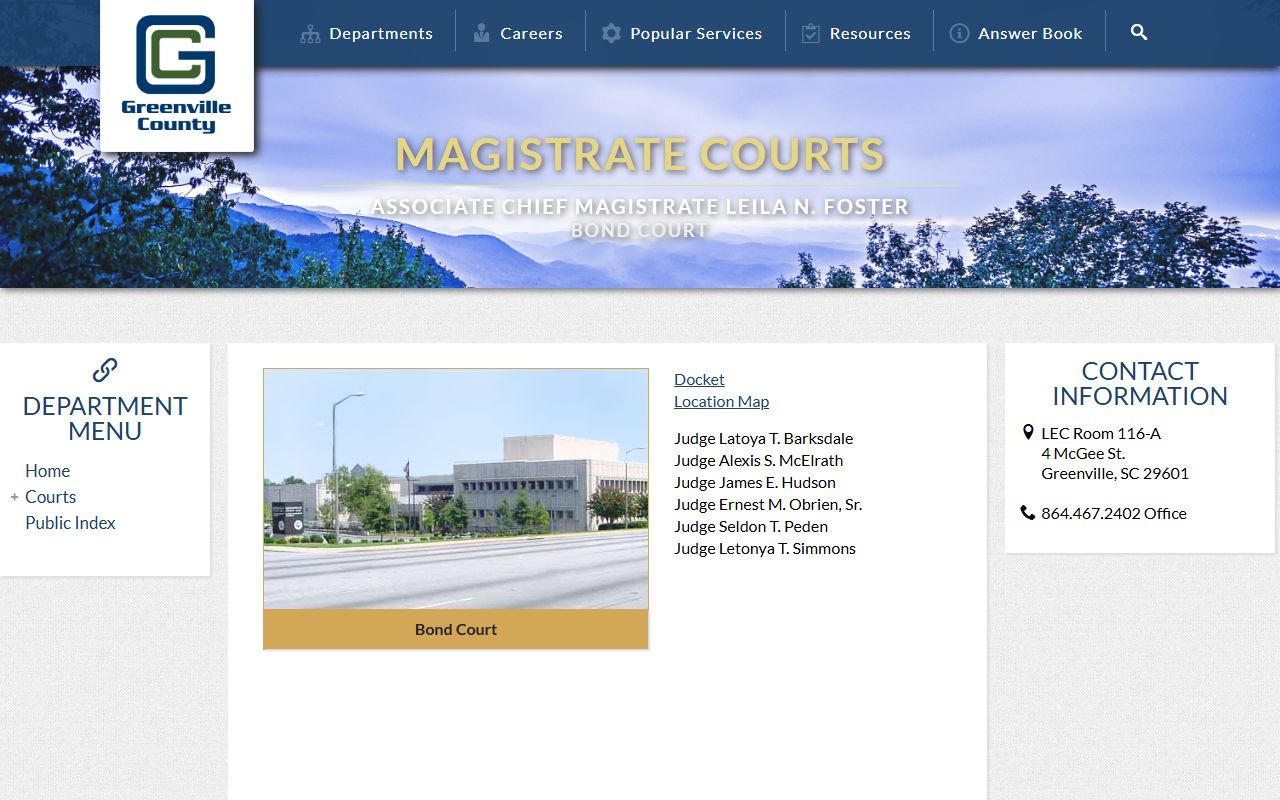
That Bond Court page explains where bond hearings happen after a warrant is served, which is the next step once a person is arrested.
Greenville County Warrant Search Fields
The Public Index uses a small set of search fields. Since the warrant number doubles as the case number, you can search either way. The table below lists the fields the county index accepts for a criminal or warrant-tied search.
| Field Label | Type | Required | Notes |
|---|---|---|---|
| Case Number | Text | Optional | Arrest warrant number is called the case number on the Public Index. |
| Name | Text | Optional | Defendant or party search by last and first name. |
| Court Type / Case Type | Filters | Optional | Narrow to criminal or General Sessions matters. |
| Search | Button | N/A | Runs the Public Index search. |
Note: A name search can return several people, so add a court type or a case type to narrow the list before you open a result.
What a Greenville County Warrant Record Shows
A warrant-tied record pulls together fields from the court and, when a person is in custody, from the jail. The Public Index shows the case side. The county inmate search adds the booking side. The table below lists what you may see across these sources.
| Field | What It Shows |
|---|---|
| Warrant / Case Number | The link to the case; the warrant number serves as the case number. |
| Defendant Name | The person named in the warrant. |
| Charge | The offense the warrant was issued for. |
| Court / Jurisdiction | Magistrate, Municipal, or General Sessions court. |
| Bond Amount / Status | Bond per charge when tied to the inmate search or a bond order. |
| Arresting Officer / Agency | Shown through the Detention Center for a booked person. |
| Indictment Number | Added if the charge moves up to General Sessions. |
For a person already booked, the county inmate search can also confirm the charge, the trial magistrate, and any holds from other agencies.
Bond Court and the Magistrate Process
Magistrates do most of the early warrant work in Greenville County. They issue arrest and search warrants, set bonds, and hold preliminary hearings. After a warrant is served and a person is booked, a bond hearing follows, often quickly. The county runs Bond Court at 4 McGee Street near the Detention Center.
Magistrate jurisdiction comes from state law. The S.C. Code Title 22, Chapter 3 sets magistrate civil and criminal powers, including the power to issue warrants. The image below shows that statute.
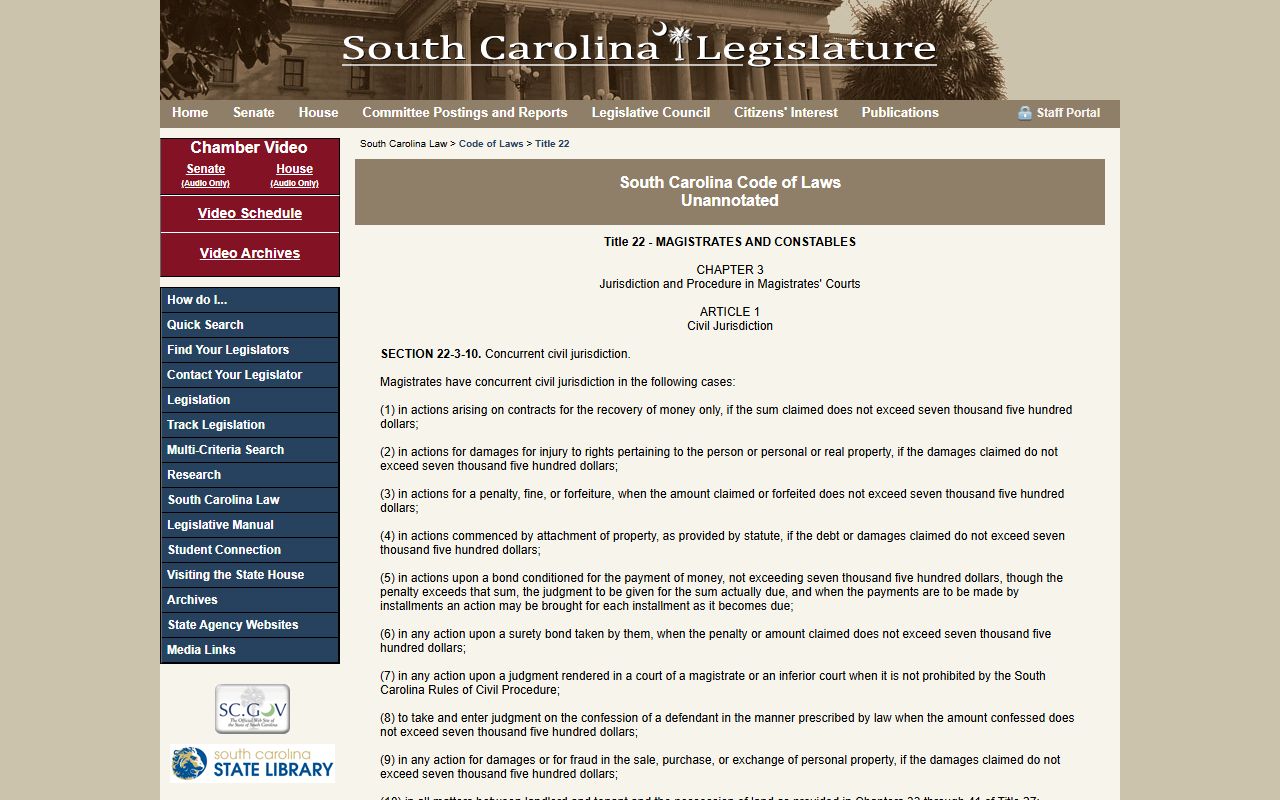
That page is the legal base for the bond hearings and warrants handled in the county's summary courts. General Sessions and Circuit Court organization sits under S.C. Code Title 14, Chapter 5.
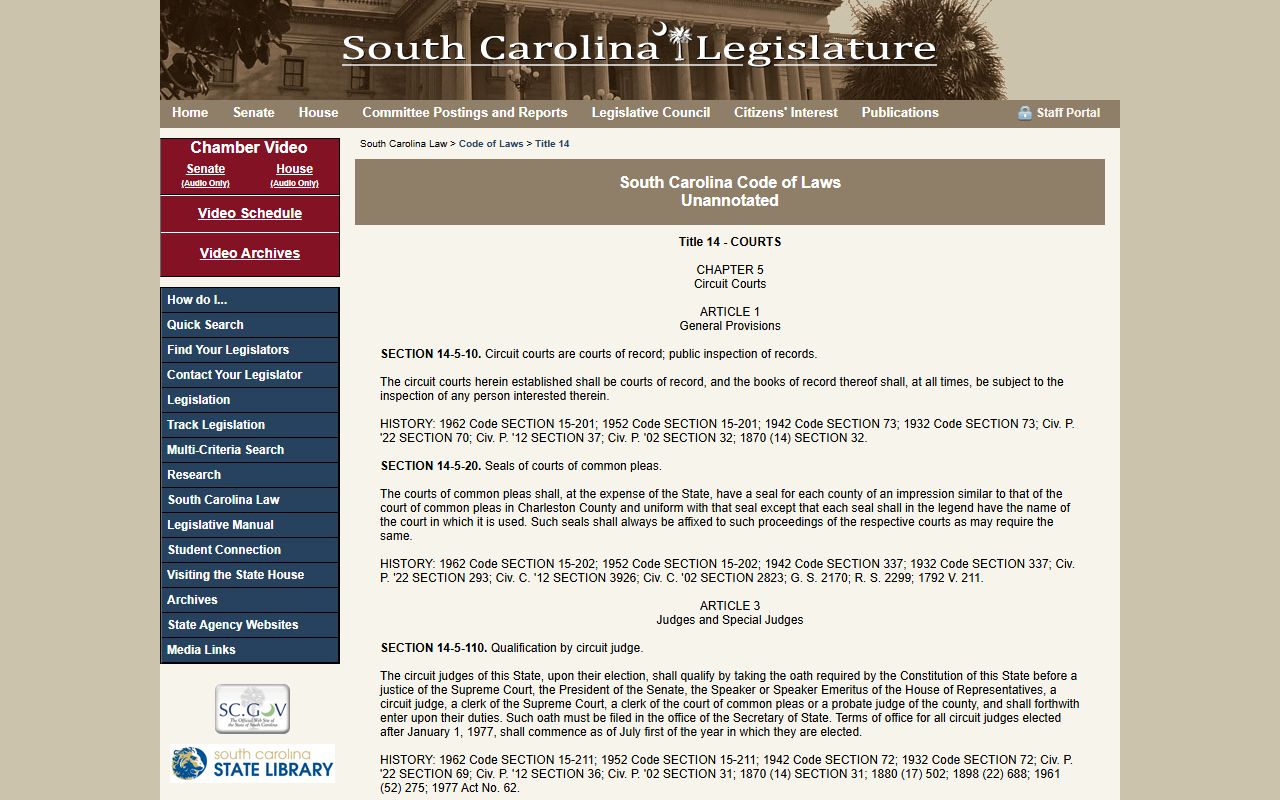
The Circuit Court statute shown above is where serious cases land after a warrant moves up from the summary courts.
What to Do If You Have an Outstanding Warrant
If you think you have a warrant, take it seriously and move with care. Start by searching the Public Index by name and any case or warrant number you have. Then contact the court of jurisdiction, whether that is a Magistrate, Municipal, General Sessions, or Bond Court matter. A warrant that does not show online may still be active. It can be sealed, in another county, or just slow to post.
Do not ignore a warrant because you cannot find it online. After the matter is resolved, confirm with the court that the warrant has been recalled, since online updates may lag. If a person is already detained, the inmate search and the Detention Center phone can confirm the charge, the bond, and the judicial release status.
Important: Talk to an attorney before you turn yourself in, and do not call 911 for a routine warrant check; use the court, the Clerk, or a non-emergency line.
How to Clear a Greenville County Warrant
Clearing a warrant means dealing with the court that issued it. For a bench warrant tied to a missed court date, the court may recall it once you appear or arrange a new date. For a failure-to-pay or contempt order, you work with the court or the Clerk on the balance owed. For a bond or failure-to-appear issue, Bond Court, the Clerk, or the Solicitor may be the right contact.
The 13th Circuit Public Defender may help eligible defendants with the underlying charge. First-offense summary-court convictions may later qualify for expungement under S.C. Code Title 22, Chapter 5, shown below.
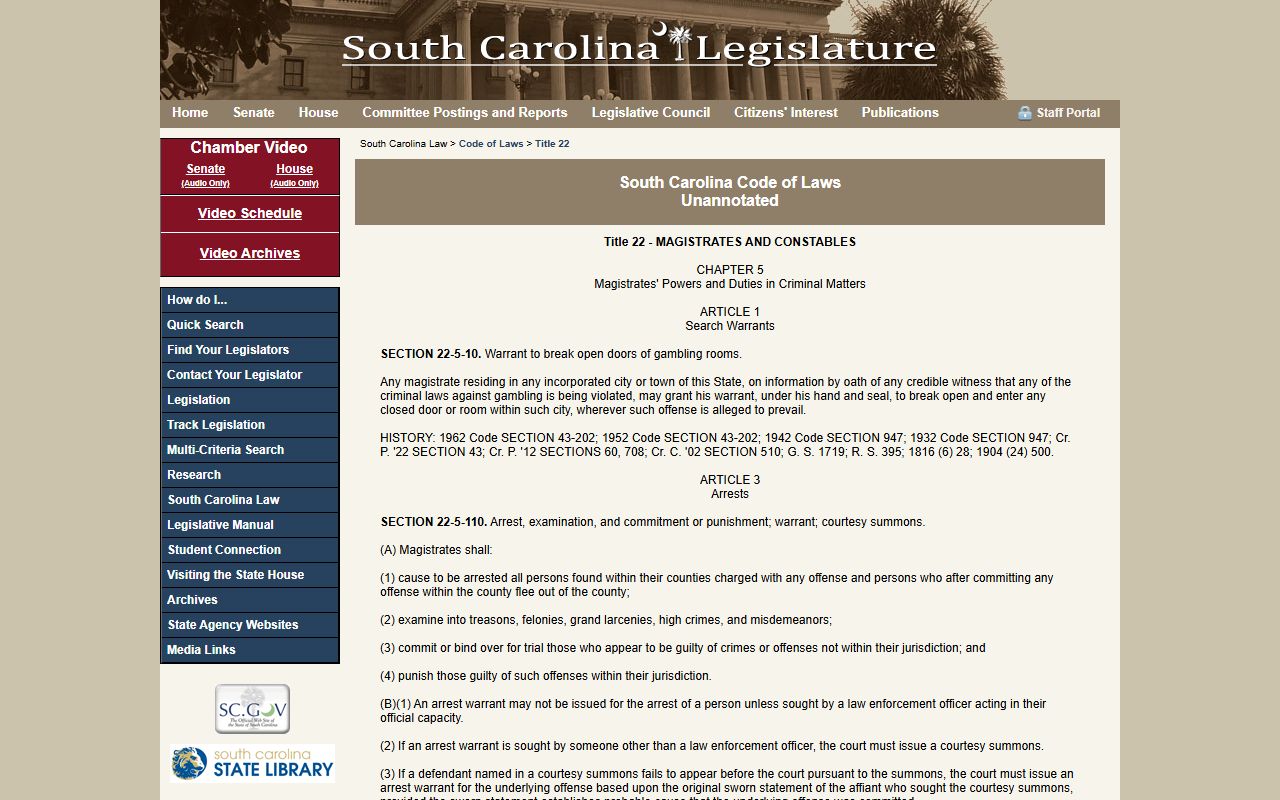
That statute covers when a first-offense magistrate or municipal conviction can be expunged after the case is closed and conditions are met.
Restricted Greenville County Warrant Records
Some warrants are not public. Dismissed warrants are excluded from public viewing and copying by the Clerk. Search warrants may stay nonpublic while an investigation is open. Juvenile warrants and sealed indictments are also kept out of public view. Federal warrants are not in the county system at all.
Because of these gaps, a clean public search does not prove a person has no warrant. The Sheriff's Office is led by Sheriff Hobart Lewis, and the South Carolina Sheriffs' Association confirms the county listing. The image below shows that state listing.
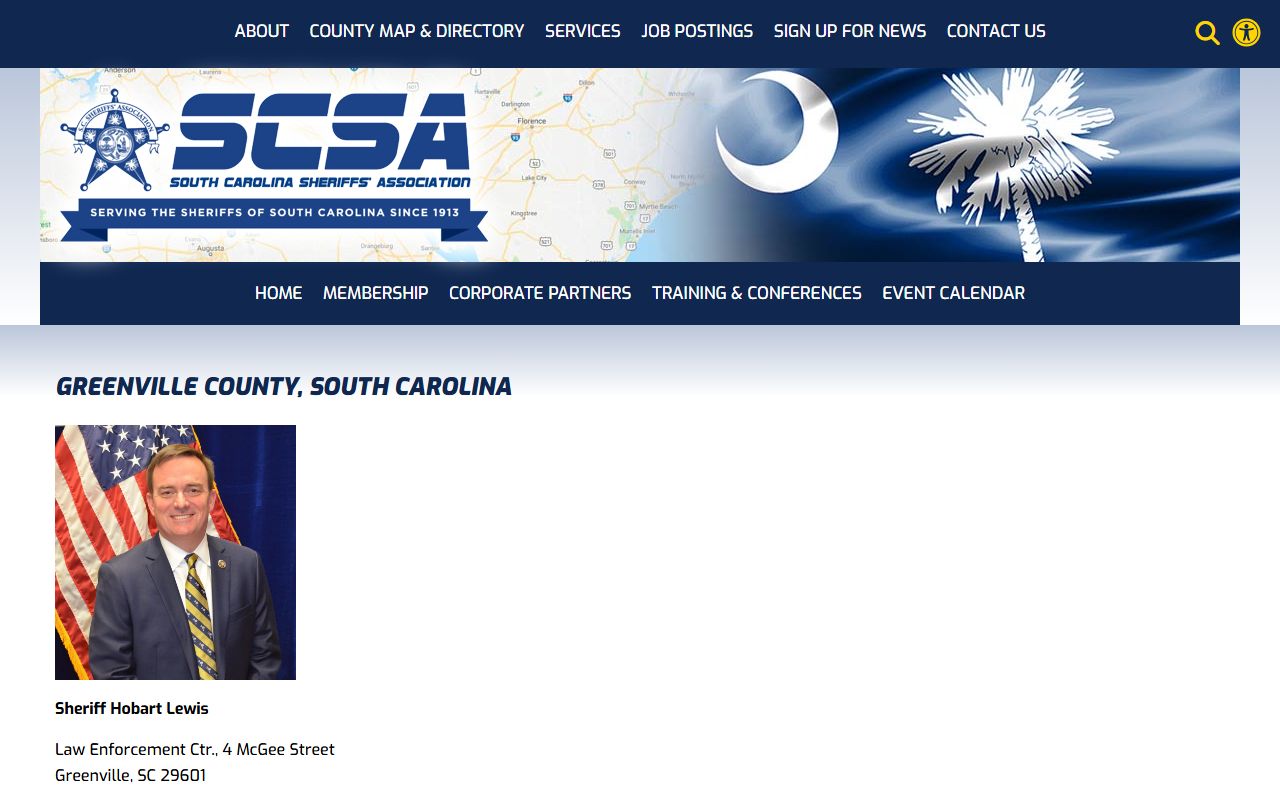
The state sheriffs' listing names the current sheriff and links the county office that serves warrants locally.